Trenchless Pipe Rehabilitation
Sewer Pipe Lining in Pasadena
Find out whether your existing sewer line is a lining candidate. Get a Free Estimate
Trenchless Pipe Rehabilitation
Find out whether your existing sewer line is a lining candidate. Get a Free Estimate
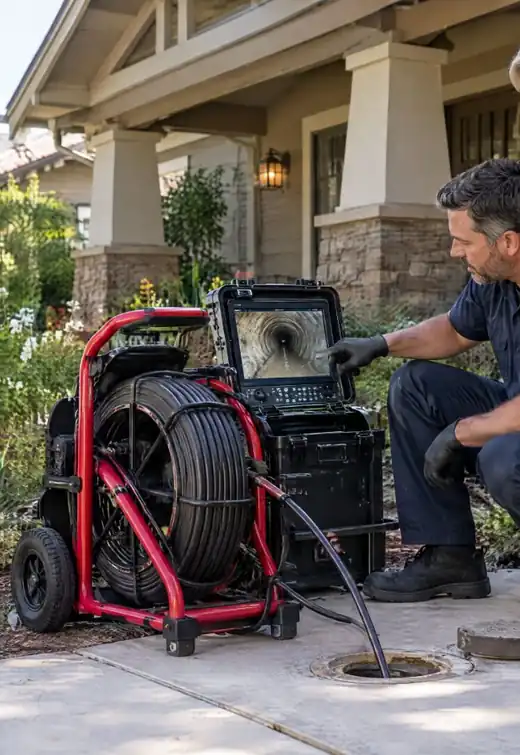
Sewer pipe lining is a trenchless repair method used to rehabilitate an existing sewer line by creating a new structural surface inside the old pipe. For the right sewer, it can address cracks, worn pipe walls, leaking joints, and pathways where tree roots have been entering without digging a trench along the entire run.
The important question is not simply whether lining is available. It is whether the existing pipe has the alignment, remaining structure, access, and interior condition needed for a reliable lining installation. Pasadena Sewer Repair evaluates the problem with that distinction in mind. If the line is a good candidate, lining can preserve driveways, landscaping, patios, and other improvements that would otherwise be affected by traditional excavation.
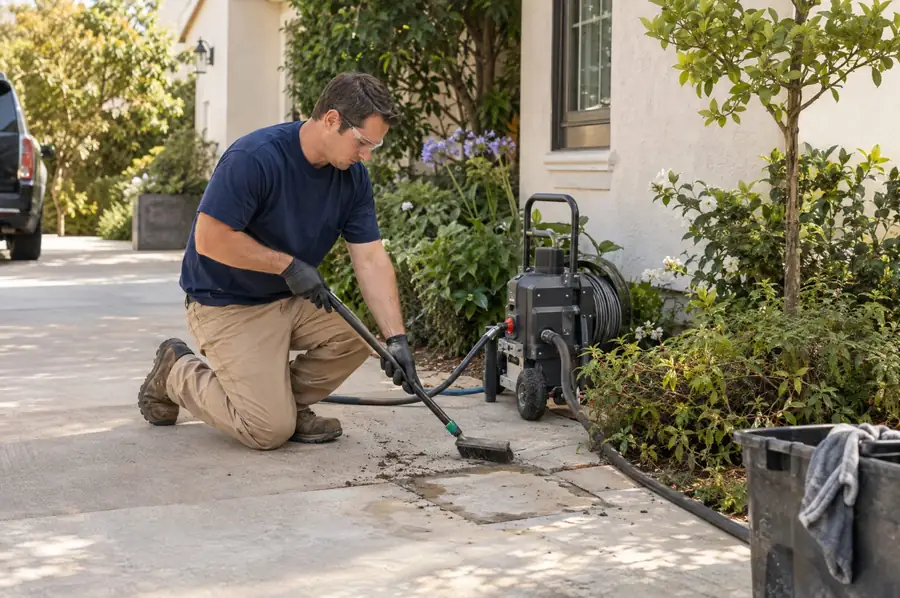
Pipe lining is often considered when the general route of the sewer is still usable but the pipe itself has developed defects. Older clay lines may have cracks and open joints. Cast iron can become rough or deteriorated internally. Other sewer materials can develop isolated damage while remaining reasonably well aligned. Before recommending lining, we consider whether the pipe can be prepared properly and whether the finished liner can provide a continuous repaired path through the affected section.
Cracks can allow soil, moisture, and roots to affect the sewer line over time. When the pipe remains aligned and has enough structure for preparation, lining may bridge damaged areas and create a continuous interior surface.
Clay sewer lines often have multiple joints, and roots can enter through small openings between pipe sections. After roots are removed and the condition is evaluated, lining may cover those entry points through the rehabilitated section.
Some sewer lines remain in the correct location but become rough, porous, or deteriorated inside. A liner can provide a new interior flow surface without removing the entire buried pipe.
Lining can be especially useful where a sewer passes beneath a driveway, patio, walkway, or established landscaping. Limited-access work may reduce the amount of finished property that must be opened and restored.
Not every sewer needs complete replacement from end to end. When the damaged portion can be clearly identified and accessed, a focused lining plan may address the problem section while preserving serviceable portions of the system.
| Service | Estimated Cost | Average |
|---|---|---|
| Short sewer lining section | $3,500-$6,500 | $5,000 |
| Typical residential sewer lining | $6,000-$12,000 | $9,000 |
| Long or difficult-access lining project | $10,000-$18,000+ | $14,000 |
These are broad planning ranges, not quotes. Actual cost depends on length, diameter, access, cleaning and preparation needs, pipe condition, depth, connection details, and site conditions.
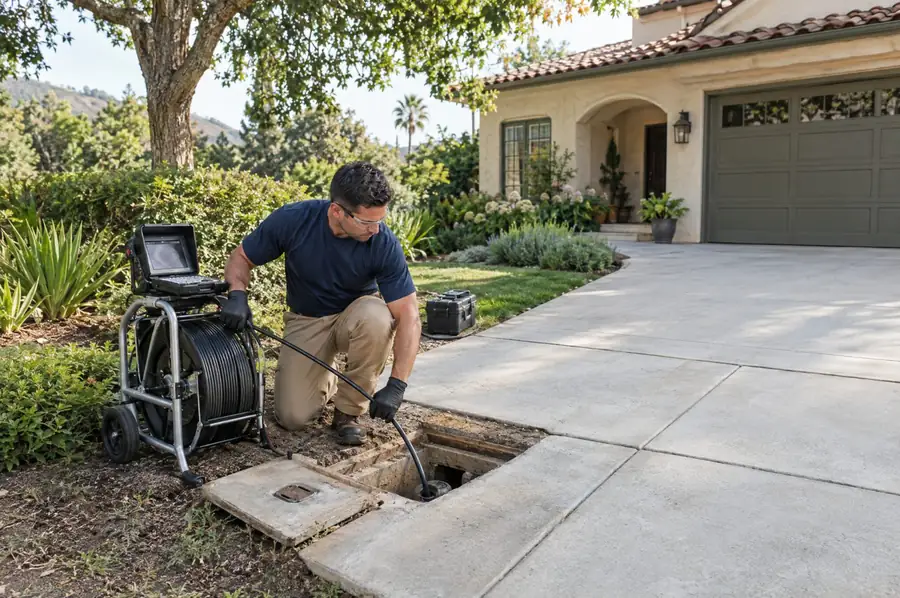
A liner performs best when the existing pipe can be properly prepared and provides a suitable host path. We do not treat lining as the automatic answer to every sewer problem.
A visible crack may not be the only issue. We consider root entry, joints, alignment, deterioration, and access so the repair recommendation addresses the larger condition of the line.
One of the main reasons customers choose lining is to reduce excavation. We plan access with driveways, landscaping, walkways, and other property features in mind.
We explain why lining does or does not make sense for the particular sewer instead of expecting customers to choose a method based only on a product name.
If recurring backups or root problems are coming from an aging sewer line, ask whether pipe lining is a practical option for your property.
Free — no obligations
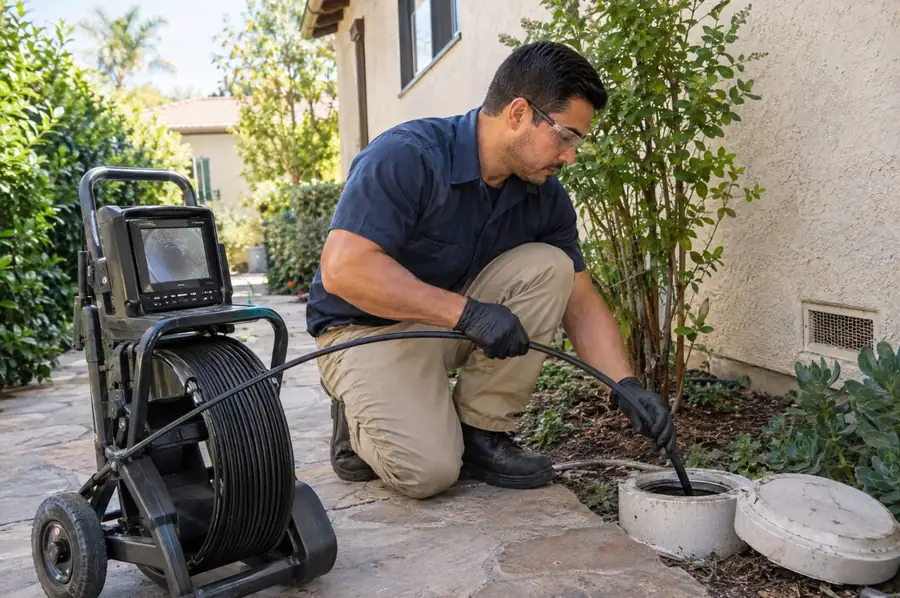
We start with the symptoms, known repair history, pipe material, access, and available information about the damaged section.
Roots, buildup, and interior obstructions may need to be cleared so the pipe can be evaluated and prepared for rehabilitation.
Severe collapse, major offsets, missing pipe, or other structural conditions may require a different repair method.
The lining system is placed through the existing sewer route and formed against the interior of the host pipe.
The completed line is checked so the repaired path, connections, and flow condition can be reviewed before the project is wrapped up.