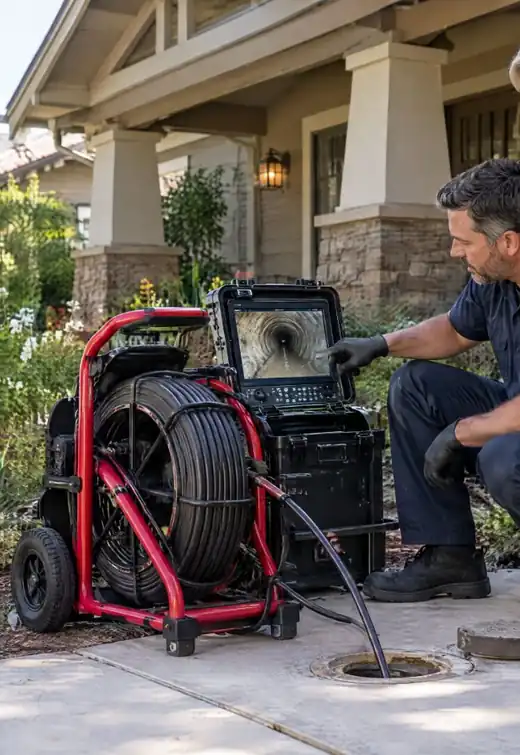
Reduced-Excavation Sewer Replacement
Trenchless Sewer Replacement in Pasadena
Discuss replacement options for a failing sewer line. Get a Free Estimate
Reduced-Excavation Sewer Replacement
Discuss replacement options for a failing sewer line. Get a Free Estimate
When a sewer line has widespread damage, repeated failures, serious deterioration, or multiple root-entry points, replacing the affected run may be more practical than continuing to clear or patch the old pipe. Trenchless sewer replacement is designed to accomplish that replacement while reducing the amount of open trenching across the property.
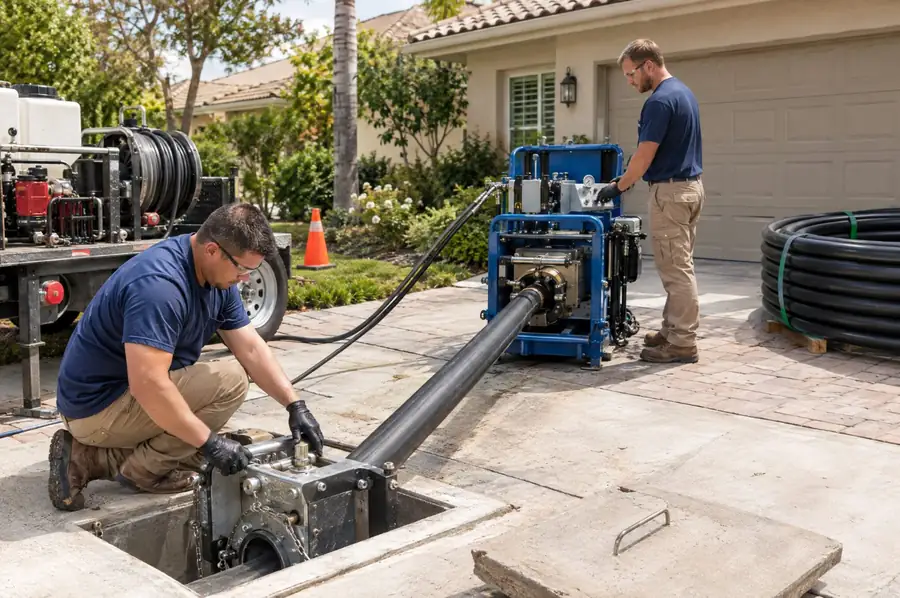
The exact method depends on the sewer. Pipe bursting may be used to install new pipe through the existing path. Other situations may call for a different limited-excavation approach based on access and line condition. We look at why the sewer is failing first, then match the replacement plan to the property rather than treating trenchless replacement as one fixed procedure.
A single blockage does not automatically mean a sewer line needs replacement. The concern grows when backups become a pattern or when the physical pipe has multiple structural defects. Replacement can make sense when continued cleaning is only managing symptoms, when the line has reached the end of its useful condition, or when repairs are spread across enough of the run that a new line becomes the clearer solution.
Repeated stoppages can indicate a structural problem when roots, rough pipe walls, offsets, or damaged sections keep collecting debris after cleaning.
A line with damage across several areas may not be well served by isolated spot repairs. Replacement can address the affected run more comprehensively.
When roots enter through many old joints or damaged sections, removing roots may provide only temporary relief unless the entry points are repaired or the pipe is replaced.
Clay pipe can remain functional for decades, but aging joints, settlement, cracking, and root intrusion can eventually make a larger replacement project reasonable.
When replacement is needed beneath landscaping, patios, walkways, or driveways, a trenchless approach may help reduce surface demolition and restoration.
| Service | Estimated Cost | Average |
|---|---|---|
| Limited replacement section | $6,500-$11,000 | $8,750 |
| Typical residential trenchless replacement | $10,000-$20,000 | $15,000 |
| Complex or extended replacement | $18,000-$30,000+ | $24,000 |
These figures are general budgeting ranges only. The final scope can change with sewer length, depth, access, pipe size, soil conditions, utility locations, connections, restoration needs, and the selected replacement method.
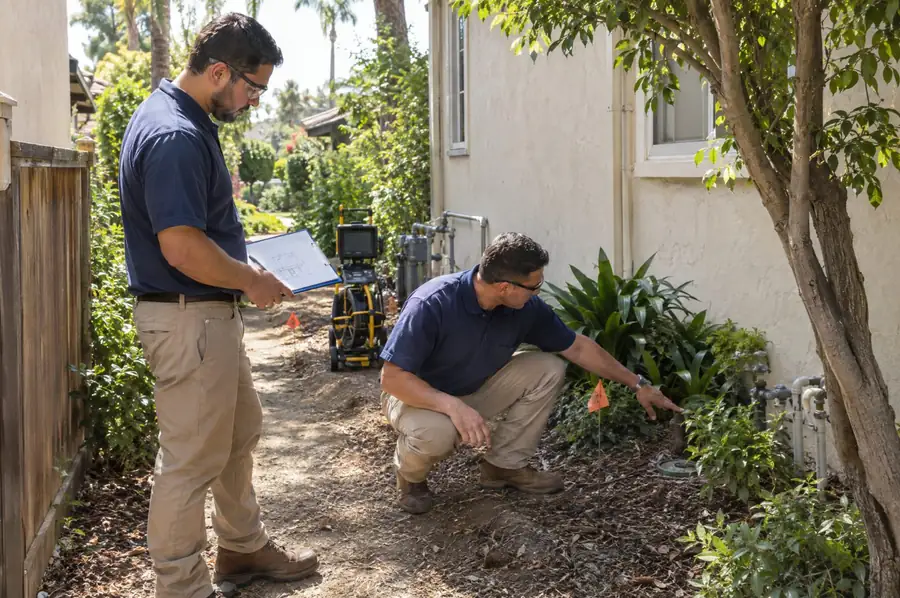
A backup can sometimes be resolved without replacement. We focus on whether the pipe itself has a condition that justifies a larger project.
Replacement can involve different techniques. We consider which method fits the condition and route of the particular line.
Established Pasadena-area neighborhoods often have aging sewer systems and mature landscaping, making thoughtful access planning especially important.
Trenchless work still requires access. We make the expected excavation areas and property impacts part of the conversation.
If repeated clearing is no longer solving the problem, ask whether trenchless sewer replacement makes sense for the condition of your line.
Free — no obligations
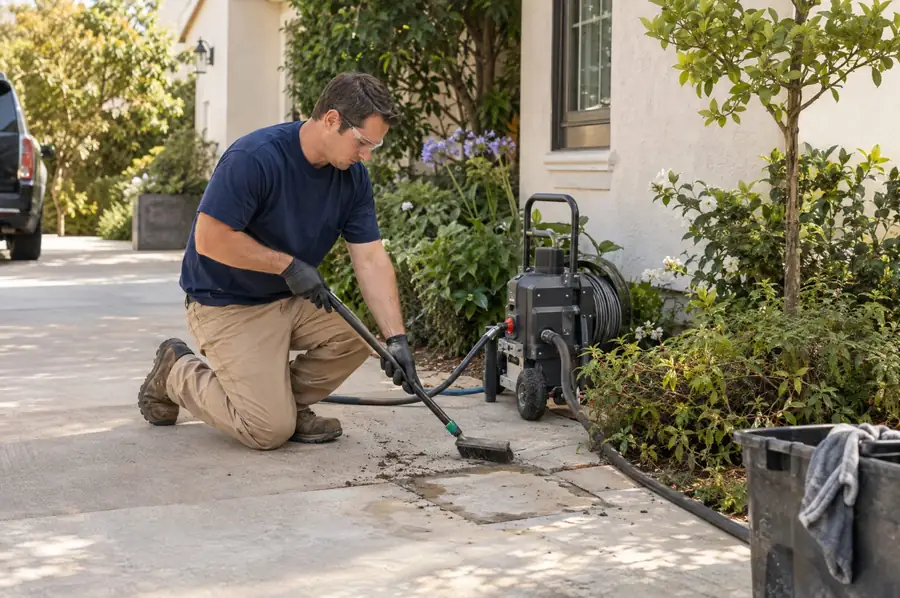
We identify which portion of the sewer is causing the problem and whether replacement should cover part or all of the run.
The existing material, condition, access, route, and surrounding property influence the trenchless technique used.
Access locations are selected and connections are accounted for before replacement begins.
The damaged sewer is replaced using the selected limited-excavation method.
The new section is connected and the work areas are reviewed before the project is completed.